

How to Reach Asia: A Complete Travel Guide to the World’s Largest Continent
Reaching Asia is not just about booking a ticket — it’s about choosing how your journey begins. As the world’s largest and most diverse continent, Asia is connected to almost every corner of the globe through air, land, and sea. Whether you’re a backpacker crossing borders overland, a luxury traveler flying business class, or a slow traveler arriving by ship, Asia offers multiple gateways and countless possibilities.
Reaching Asia is not just about booking a ticket — it’s about choosing how your journey begins. As the world’s largest and most diverse continent, Asia is connected to almost every corner of the globe through air, land, and sea. Whether you’re a backpacker crossing borders overland, a luxury traveler flying business class, or a slow traveler arriving by ship, Asia offers multiple gateways and countless possibilities.
After traveling across Asia for more than a decade — from Himalayan border crossings to futuristic airports — one thing becomes clear: Asia is one of the most accessible continents in the world, if you understand its routes, regions, and travel styles.
This guide explains every major way to reach Asia, helping first-time visitors and seasoned travelers plan their arrival with confidence.
🛂 Visa & Immigration Basics (Important to Know)
Before reaching Asia, travelers must understand visa requirements:
Visa-free entry available for many nationalities in parts of Asia
E-visa systems widely used
Visa-on-arrival common in Southeast Asia
Some countries require pre-approved visas
Always check:
Passport validity (usually 6 months minimum)
Return/onward ticket requirements
Entry rules for multiple countries
Visa rules vary country to country, not continent-wide.
✈️ Reaching Asia by Air (The Most Common Way)
Air travel is the fastest, easiest, and most popular way to enter Asia. Almost every Asian country has at least one international airport, and major cities serve as global aviation hubs.
🌍 Major International Entry Hubs in Asia
Asia has several world-class airports that act as primary gateways:
East Asia: Tokyo, Seoul, Shanghai, Hong Kong
Southeast Asia: Bangkok, Singapore, Kuala Lumpur
South Asia: Delhi, Mumbai, Colombo
Middle East (West Asia): Dubai, Doha, Abu Dhabi
These airports are connected to Europe, Africa, North America, South America, and Australia with direct or one-stop flights.
🛫 Why Flying to Asia Is Convenient
Frequent international flights
Competitive airfare due to high demand
Multiple budget and premium airline options
Easy onward domestic connections
Many travelers choose to enter Asia through one country and exit from another, making multi-country trips seamless.


4
🌐 Reaching Asia from Different Parts of the World
🇪🇺 From Europe
Direct flights to major Asian cities (6–10 hours to Middle East, 10–14 hours to East Asia)
Budget airlines and full-service carriers available
Overland routes via Eastern Europe and Central Asia possible for slow travelers
🇺🇸 From North & South America
Long-haul flights (often 14–20 hours)
Direct flights to Japan, South Korea, China, Southeast Asia, and Middle East
Stopovers in Europe or the Middle East common
🇦🇺 From Australia & New Zealand
Short to medium flights to Southeast Asia
Frequent routes to Indonesia, Thailand, Malaysia, Singapore
🌍 From Africa
Strong connections via Middle Eastern hubs
Direct flights to South Asia and West Asia
🚆 Reaching Asia by Land (For Adventurous Travelers)
Land travel into Asia is a classic route for explorers, especially those interested in history, culture, and slow travel.
🛣️ Overland Routes
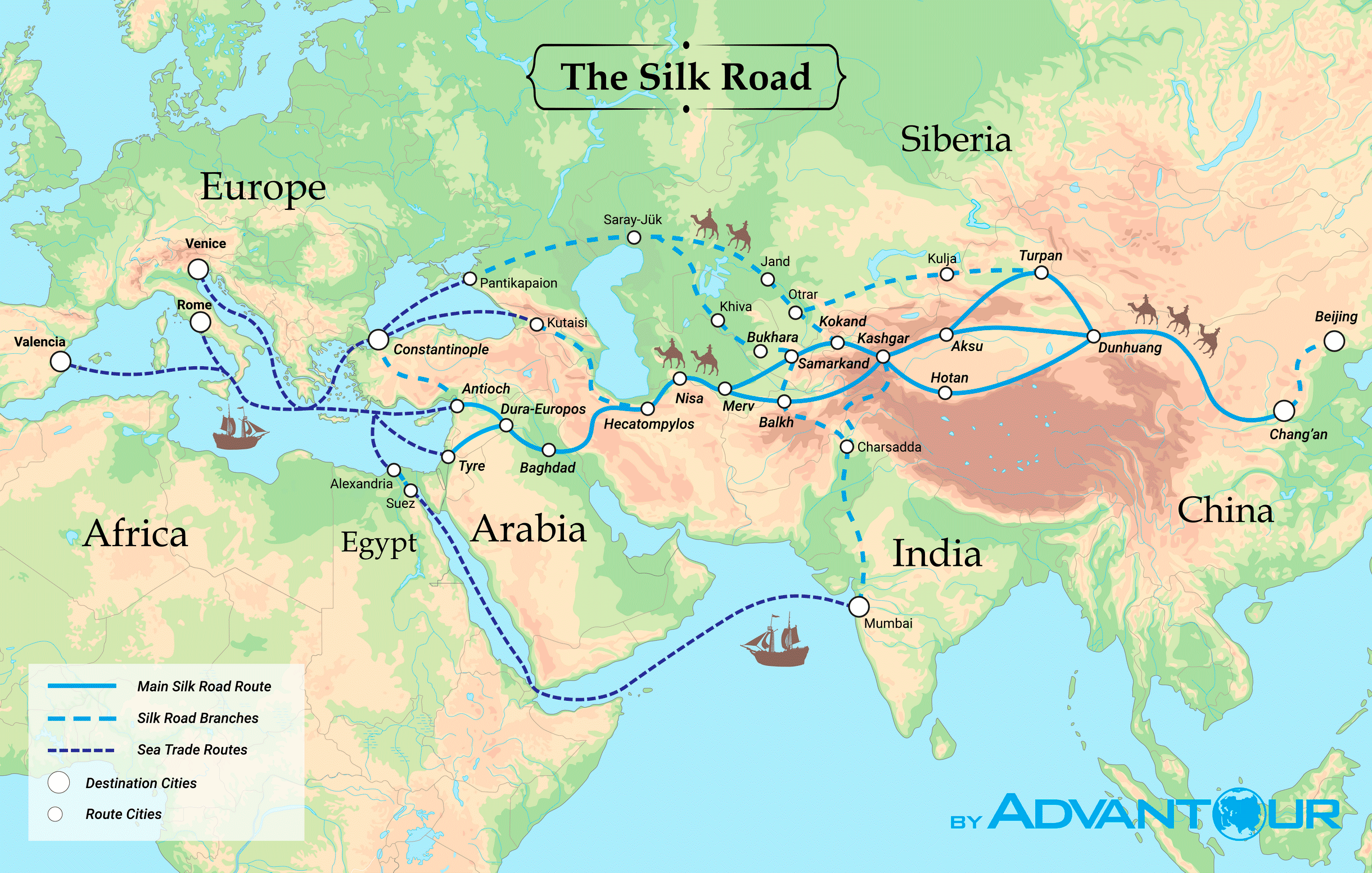
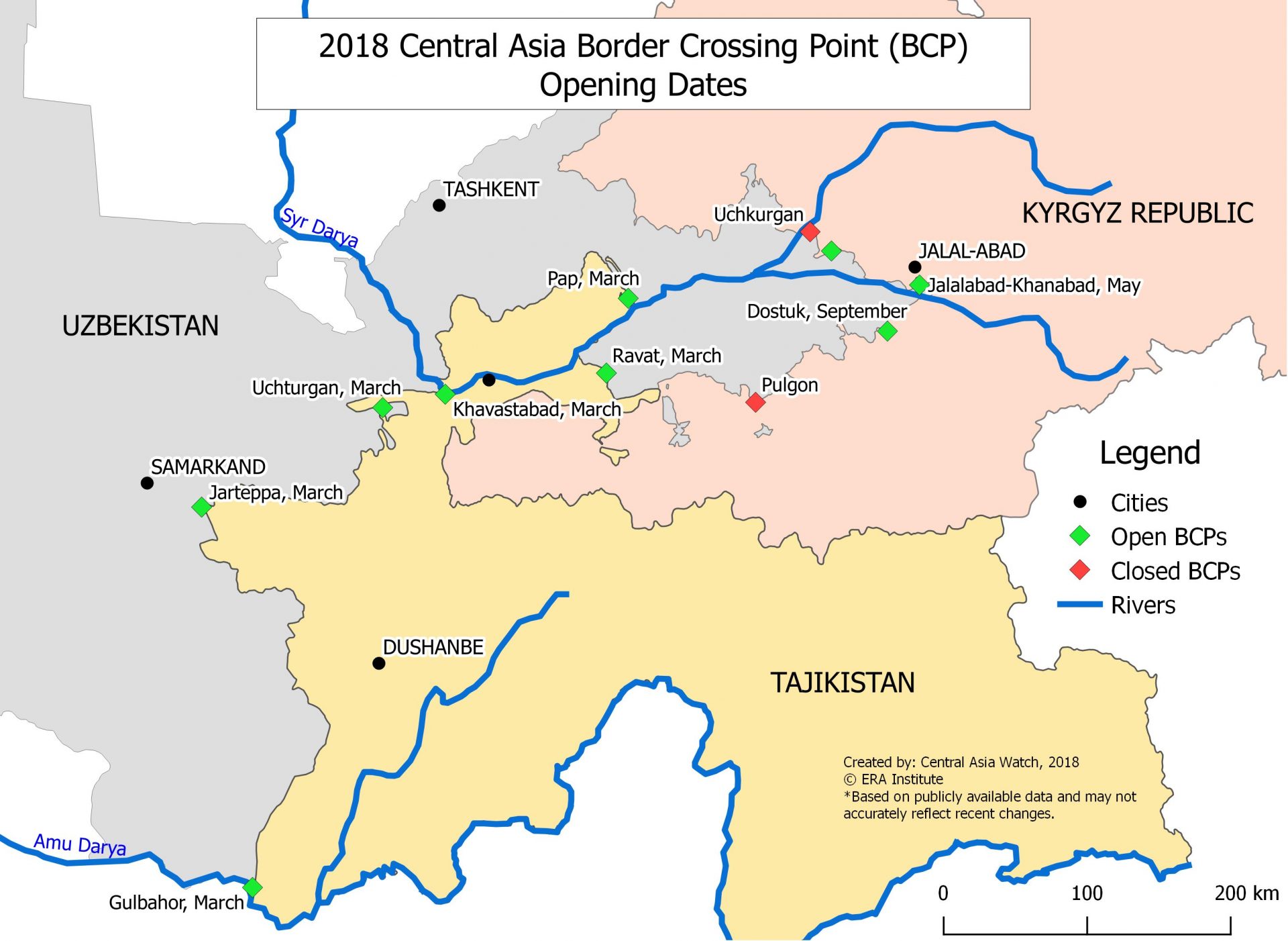
Europe to Asia via Turkey and Central Asia
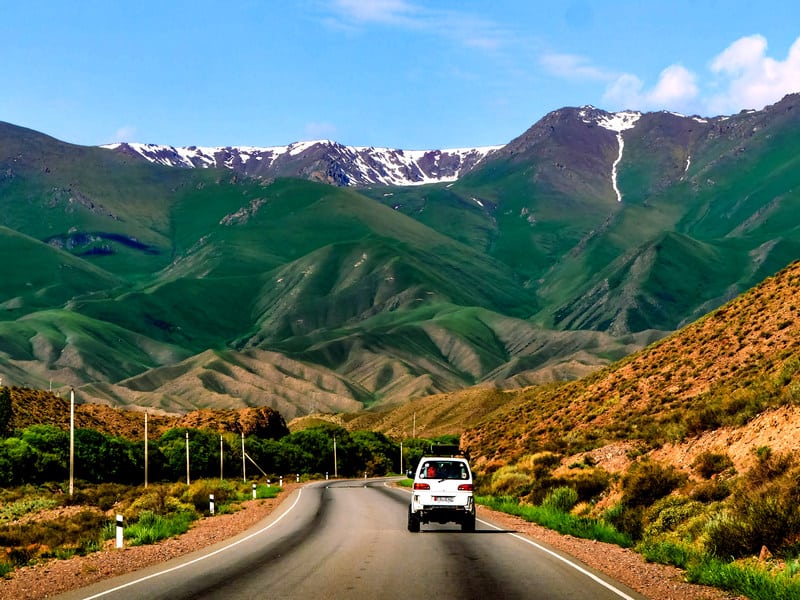
Silk Road routes through Kazakhstan, Uzbekistan, Kyrgyzstan
South Asia to Southeast Asia via Thailand, Myanmar, and Malaysia
These routes offer:
Cultural immersion
Gradual landscape changes
Unique border-crossing experiences
Overland travel requires more planning, but rewards travelers with unforgettable stories.
🚄 Reaching Asia by Train
Asia has one of the largest railway networks in the world.
🚆 Key Rail Connections
Trans-Siberian Railway connects Europe to East Asia
China’s rail network connects East and Central Asia
Cross-border trains operate in Southeast Asia
Train travel is ideal for:
Budget-conscious travelers
Scenic journeys
Reducing flight fatigue
High-speed trains in countries like Japan and China also make domestic movement extremely efficient once you arrive.
🚢 Reaching Asia by Sea
Sea travel is less common but still relevant, especially for luxury and slow travelers.
⚓ Cruise & Ferry Routes
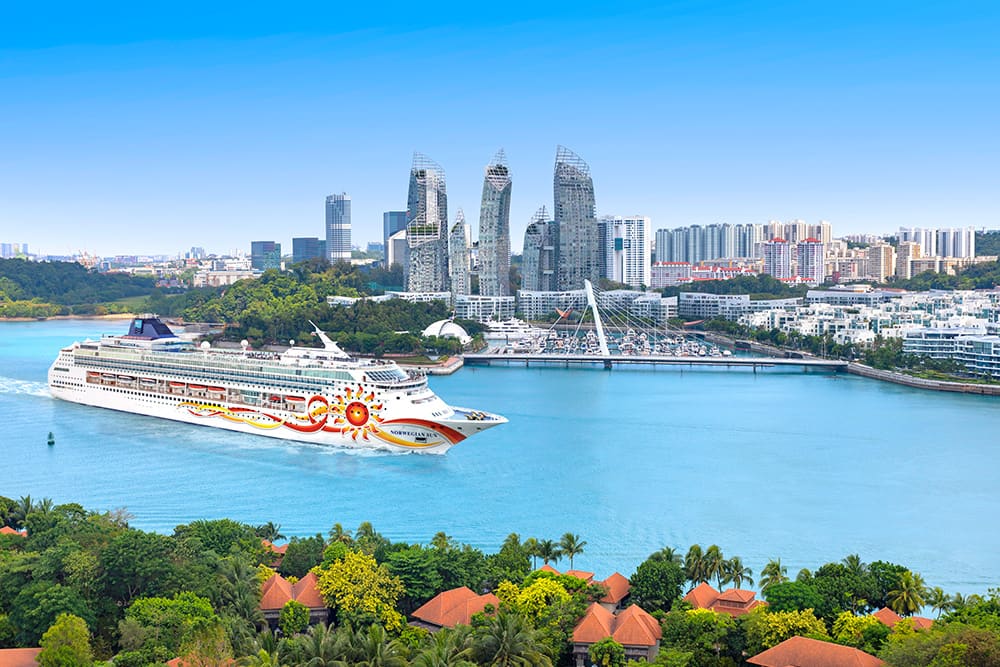
Cruise ships connect Southeast Asia, East Asia, and Middle East ports
Ferries operate between neighboring Asian countries
Cargo ship travel (limited, but possible)
Sea travel offers:
Unique arrival experience
Leisure-focused journeys
Scenic coastal views

🎒 Choosing the Best Entry Point (Traveler Advice)
Based on experience, here’s how to choose your entry:
First-time visitors: Enter through major hubs like Singapore or Bangkok
Budget travelers: Southeast Asia offers cheapest entry flights
Luxury travelers: Middle East or East Asia hubs
Adventure travelers: Overland routes via Central or South Asia
Asia rewards flexibility — many travelers arrive with a plan and end up rewriting it entirely.
✨ Final Thoughts
Reaching Asia is easier than most people imagine. With modern aviation, efficient railways, overland routes steeped in history, and sea passages connecting ancient ports, Asia is open to every kind of traveler.
The real challenge is not how to reach Asia — it’s where to begin.
Once you arrive, Asia doesn’t just welcome you — it absorbs you, challenges you, and changes the way you see the world.
More in Visas
Permits, Visa & Safety for delhi
Permits, Visa & Safety for delhi

Visa & Inner Line Permit for Arunachal Pradesh
Planning a trip to Arunachal Pradesh? Learn about Inner Line Permit rules for Indian travelers and Protected Area Permit requirements for foreign nationals, including validity and fees.

Visa Requirements for Meghalaya
Planning a trip to Meghalaya? Find out visa rules for foreign nationals and why Indian travelers do not need special permits to explore the state.
Plan your trip
Ready to explore asia? Browse destinations and build your itinerary.
Explore destinations