
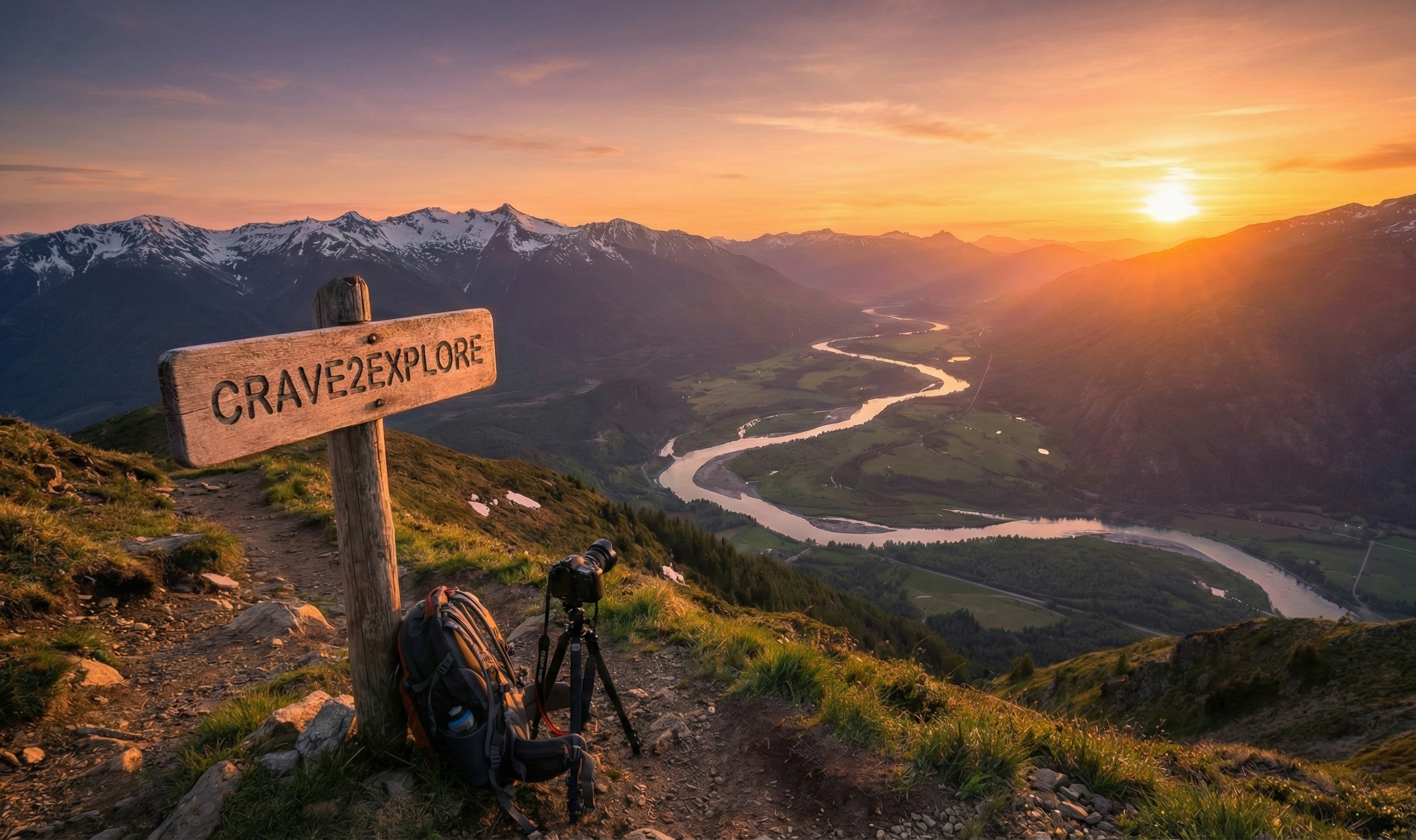
Your Personal AI Travel Agent.
Instantly generate smart itineraries, calculate exact travel routes, and discover hidden gems. Turn your travel dreams into ready-to-go plans in seconds.
Trusted by explorers worldwide
Trending now on
Crave2Explore

Popular Countries
Explore destinations by country

Russia
Russia is the largest country in the world, a vast landmass that spans two continents, eleven time zones, and a staggering array of landscapes from arctic tundra to subtropical beaches. It is a nation defined by its dramatic history, from the opulent era of the Tsars to the austere power of the Soviet Union, and its rich cultural heritage in literature, ballet, and classical music. A trip to Russia is an adventure into the monumental, offering grand architecture, resilient people, and a unique blend of Eastern and Western influences.

Japan
Japan is a captivating archipelago where futuristic innovation coexists seamlessly with centuries-old traditions. It is a land where you can ride the world's fastest trains to visit ancient Shinto shrines, and where neon-lit districts like Shibuya sit just miles away from serene Zen gardens. Famous for its unique pop culture (anime and manga), exquisite cuisine, and the majestic Mount Fuji, Japan offers a travel experience defined by politeness, cleanliness, and efficiency. It is a country that honors its samurai past while leading the world in technology and robotics.

China
China is a mesmerizing blend of ancient civilization and futuristic innovation, often described as the "Middle Kingdom." It offers a travel experience of massive scale, from the imperial majesty of the Forbidden City to the neon-lit skyscrapers of Shanghai and the ethereal karst mountains of Guilin. With over 5,000 years of continuous history, it is a land where tea ceremonies and Tai Chi coexist with the world's fastest bullet trains and cashless digital ecosystems. Exploring China is not just a vacation; it is a deep dive into a culture that has shaped much of the eastern world.

India
A land of staggering diversity, where ancient traditions blend with modern life, offering a kaleidoscope of colors, flavors, and spiritual experiences.
Find Your Next Squad.
Connect with solo travelers, share itineraries, and explore the world together.
Must-Visit Attractions
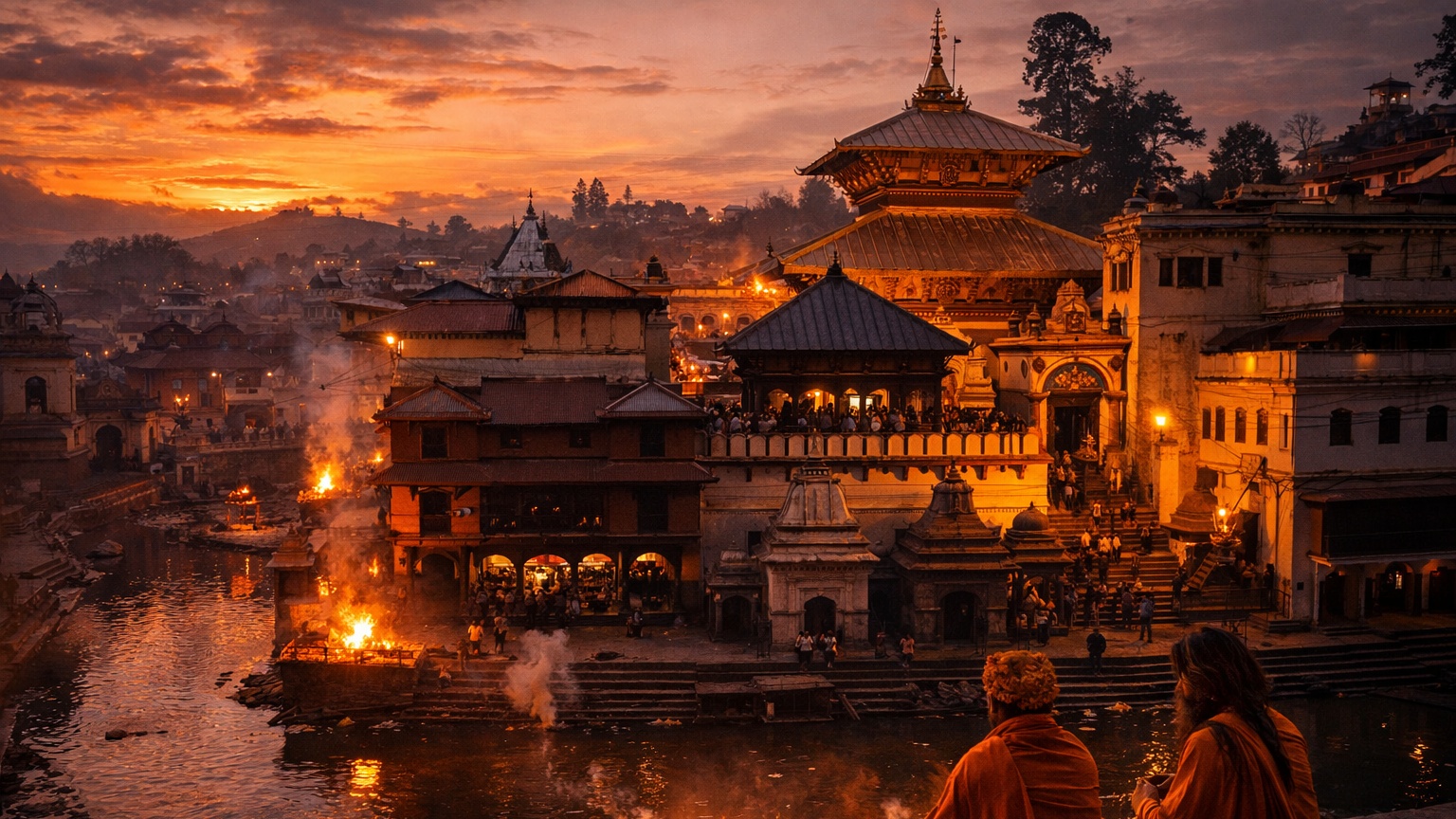
Pashupatinath Temple
Located along the holy Bagmati River, Pashupatinath Temple is one of the most revered Hindu temples dedicated to Lord Shiva. This UNESCO World Heritage Site attracts pilgrims and travelers from around the world seeking spiritual connection and cultural insight 🙏🔥 Witness Ancient RitualsThe temple is famous for its open-air cremation ceremonies, performed along the riverbanks. These rituals offer a profound glimpse into Hindu beliefs about life, death, and rebirth.🌅 Experience the Evening AartiAs dusk falls, the temple complex transforms with chanting, fire offerings, and devotional music. The evening aarti is a powerful and unforgettable experience ✨🧘 Meet Sadhus & Holy MenYou’ll encounter saffron-clad sadhus, ash-covered holy men, and spiritual seekers, adding to the mystical atmosphere of the site.
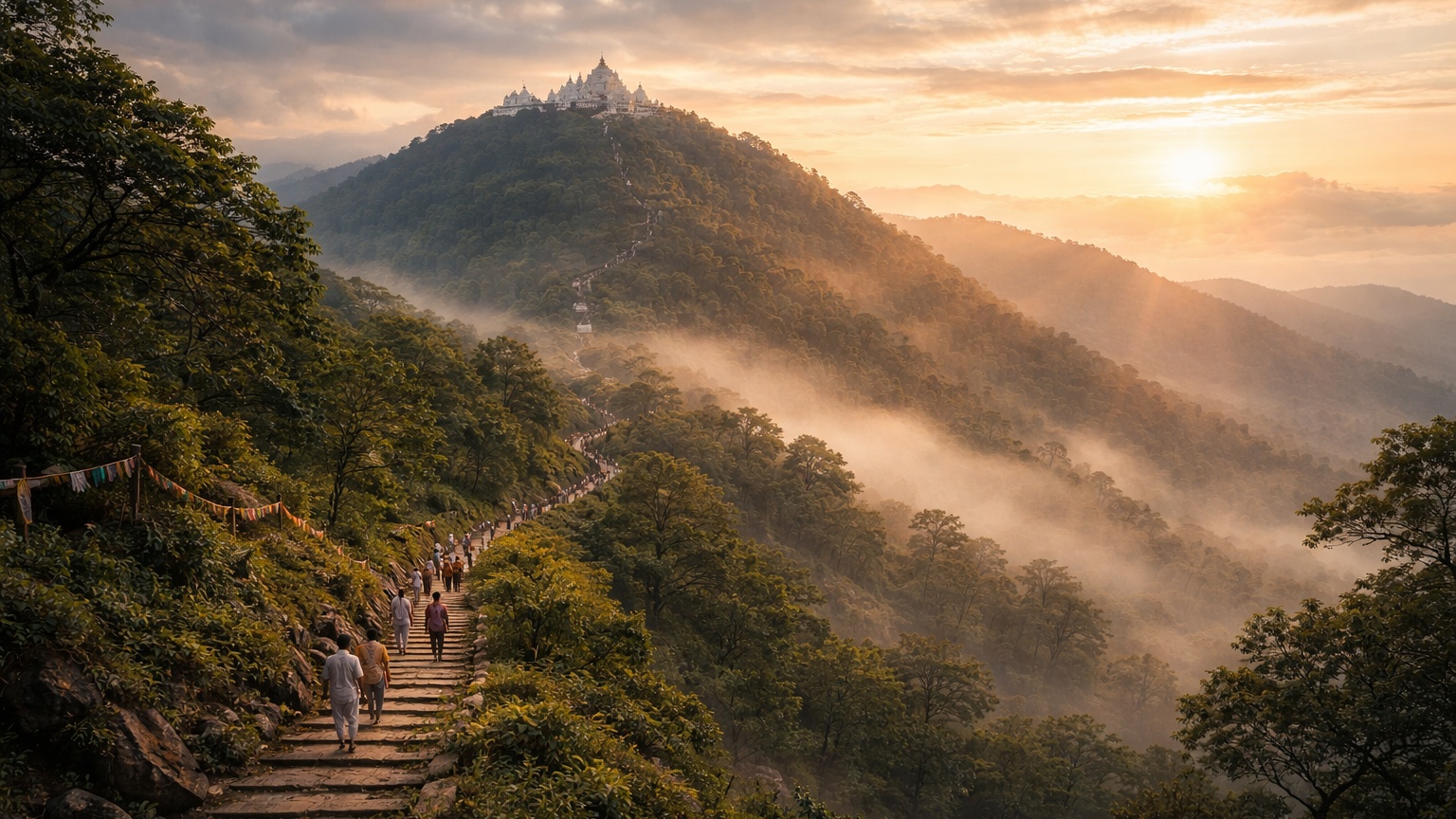
Shikharji (Parasnath Hill)
Shikharji is the holiest pilgrimage site for Jains, believed to be the place where 20 out of 24 Tirthankaras attained moksha (salvation). Rising to about 1,350 meters, it is also the highest peak in Jharkhand. The journey to the summit—either by foot or palanquin—is considered an act of devotion and spiritual purification.The trek passes through dense forests, stone steps, and misty paths that feel timeless and meditative. At the summit, the silence, crisp air, and panoramic views create a profound sense of peace. Even adventure travelers and nature lovers find Shikharji captivating for its blend of spirituality, endurance, and untouched natural beauty.
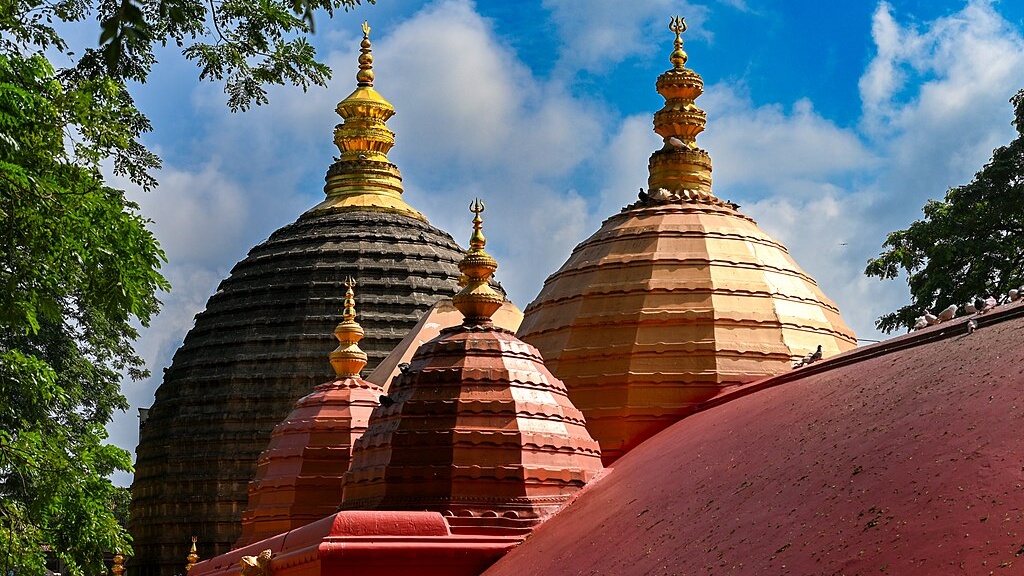
Kamakhya Temple
Kamakhya Temple is one of the most powerful and sacred Shakti Peethas in India. Dedicated to Goddess Kamakhya, this ancient temple symbolizes fertility, creation, and feminine energy. Unlike typical temples, the sanctum has no idol — worship focuses on a natural rock fissure representing the goddess.Perched atop Nilachal Hill, the temple offers sweeping views of the Brahmaputra River. The annual Ambubachi Mela, celebrating the goddess’s menstrual cycle, attracts thousands of devotees and spiritual seekers from across the world.Beyond religion, Kamakhya reflects Assam’s deep connection with tantra, mythology, and ancient traditions, making it a culturally significant landmark.
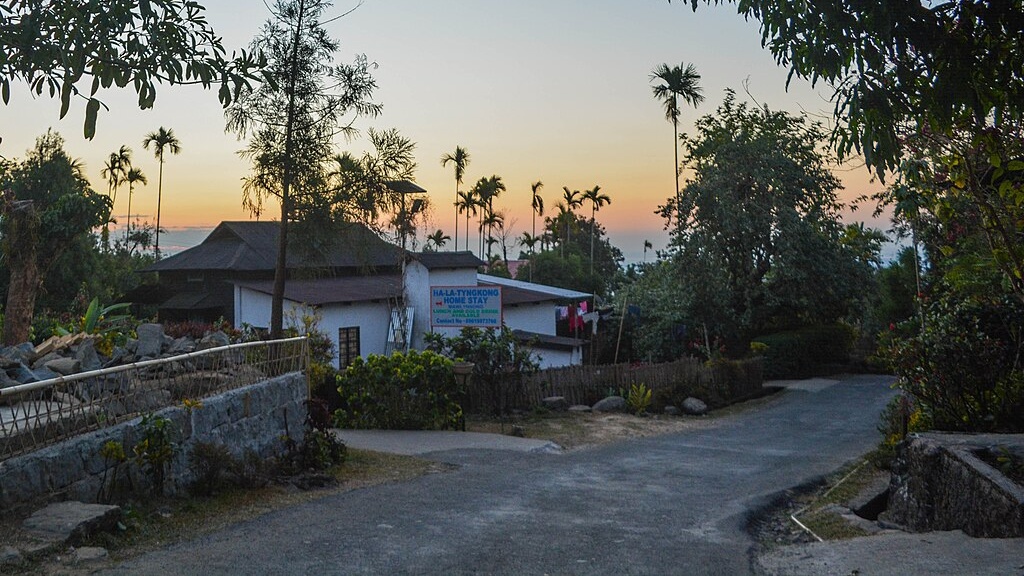
Mawlynnong Village
Often called the “cleanest village in Asia,” Mawlynnong is a model of community-driven tourism and sustainable living. Neatly maintained pathways, bamboo dustbins, and flower-lined homes reflect the villagers’ deep respect for nature. Nearby attractions include living root bridges and skywalk viewpoints overlooking Bangladesh plains. The village offers homestays that showcase Khasi culture and hospitality. Simple, inspiring, and refreshingly green, Mawlynnong shows how harmony with nature can be a way of life.
Trending Cities
Urban escapes and metropolitan wonders

Agartala
Agartala, Tripura’s capital, is a green, approachable city of palaces, temples, and lakeside breathing room near the Bangladesh border. Ujjayanta Palace’s museum grounds introduce royal and folk histories, while markets and sweet shops reveal the state’s Bengali-influenced public culture alongside indigenous roots.Use Agartala to stage Neermahal and Unakoti day trips, or linger for parks and neighborhood food walks. The city is less frantic than many state capitals, making first nights easy. Handicrafts—especially bamboo and cane—make meaningful souvenirs when bought from authentic outlets.Connectivity by air and rail is useful; roads to interior sites are best by hired car. Winter is ideal. Carry ID near border-proximate movements and follow local guidance.Agartala is Tripura’s friendly front door. Two to three nights unlock palace heritage plus the state’s signature lake and rock-cut excursions without rushing.Practical traveler notes for Agartala: allow buffer days for hill-road weather delays, carry some cash for remote markets and ferries, and confirm seasonal access before committing to long drives. Ask local hosts about current trail, safari, or ferry conditions, dress modestly at monasteries and temples, and hire licensed guides for wildlife parks or restricted border circuits. Pack a light rain jacket year-round in the Northeast, keep copies of permits and ID handy at checkpoints, and start mountain transfers early in daylight. Responsible travel—no litter, no drones where banned, quiet behavior around wildlife, and fair payment for community stays—helps protect fragile landscapes and living cultures so future guests can experience Agartala with the same hospitality you received. Food-wise, try at least one local thali or homestay meal, drink boiled or sealed water when unsure, and leave space in your itinerary for unplanned village walks that often become the most memorable hours of a Northeast journey.
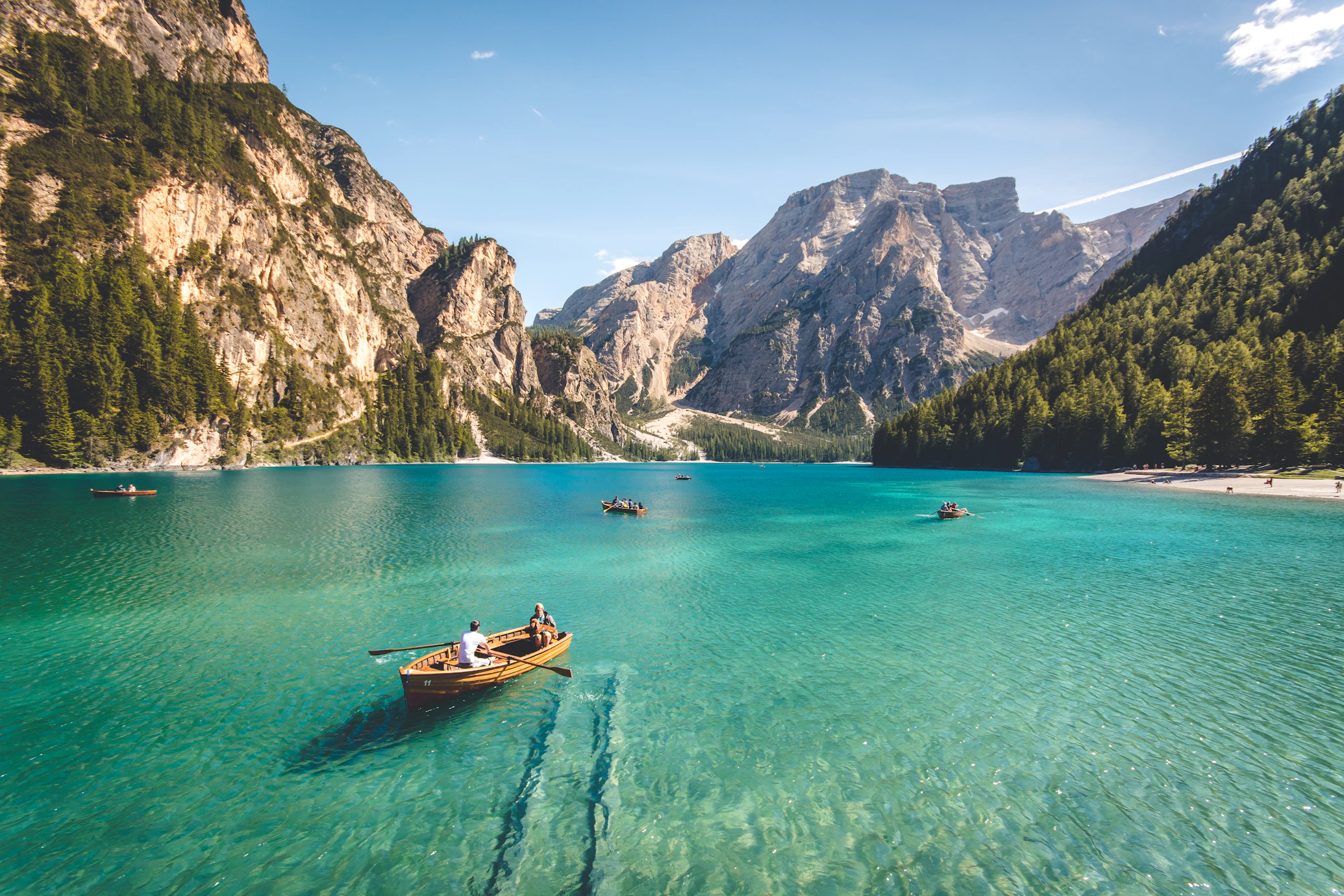
Loktak Lake
Loktak Lake is Manipur’s ecological jewel, a vast freshwater expanse patterned with phumdis—floating biomass islands that support unique livelihoods and the Keibul Lamjao National Park habitat of the sangai deer. Sunrise over the lake turns mist and water hyacinth into a painter’s study of soft greens and silvers.Boat experiences, fishing community visits, and park interpretation (where open) form the core visitor arc. Sendra and related viewpoints provide elevated panoramas. Responsible tourism means using authorized boats, avoiding litter, and understanding that phumdis are living systems, not props.Stay overnight near the lake when possible; day trips from Imphal work but miss blue-hour magic. Carry binoculars for birds and a light jacket for breezy rides. Seasonal water levels change the visual drama—ask locals what to expect in your month.Loktak is why many travelers fall for Manipur. It is beauty with ecology attached—visit gently and the lake’s fragile wonder remains for those who follow.Practical traveler notes for Loktak Lake: allow buffer days for hill-road weather delays, carry some cash for remote markets and ferries, and confirm seasonal access before committing to long drives. Ask local hosts about current trail, safari, or ferry conditions, dress modestly at monasteries and temples, and hire licensed guides for wildlife parks or restricted border circuits. Pack a light rain jacket year-round in the Northeast, keep copies of permits and ID handy at checkpoints, and start mountain transfers early in daylight. Responsible travel—no litter, no drones where banned, quiet behavior around wildlife, and fair payment for community stays—helps protect fragile landscapes and living cultures so future guests can experience Loktak Lake with the same hospitality you received. Food-wise, try at least one local thali or homestay meal, drink boiled or sealed water when unsure, and leave space in your itinerary for unplanned village walks that often become the most memorable hours of a Northeast journey.

Ziro Valley
Ziro Valley is a pine-ringed plateau in Lower Subansiri famous for Apatani cultural landscapes, rice fields with ingenious irrigation, and a music festival that draws artists from across India. The valley’s scale is human—bikeable distances, village homestays, and horizons that glow gold at harvest time.Visit Apatani villages with local guides who explain bamboo houses, textile traditions, and agricultural practices recognized for sustainable ingenuity. Outside festival weeks, Ziro is contemplative: mist over paddies, children cycling lanes, and cafés serving simple highland meals. Birdwatchers and photographers find quiet frames everywhere.Reach Ziro via road from Assam with patience for mountain driving. Book homestays early around festival dates. Dress modestly in villages and always ask before portraits. Nights are cool even when days feel pleasant.Ziro is Arunachal at its most gently immersive—less about dramatic passes, more about living culture in a valley that feels complete unto itself.Practical traveler notes for Ziro Valley: allow buffer days for hill-road weather delays, carry some cash for remote markets and ferries, and confirm seasonal access before committing to long drives. Ask local hosts about current trail, safari, or ferry conditions, dress modestly at monasteries and temples, and hire licensed guides for wildlife parks or restricted border circuits. Pack a light rain jacket year-round in the Northeast, keep copies of permits and ID handy at checkpoints, and start mountain transfers early in daylight. Responsible travel—no litter, no drones where banned, quiet behavior around wildlife, and fair payment for community stays—helps protect fragile landscapes and living cultures so future guests can experience Ziro Valley with the same hospitality you received. Food-wise, try at least one local thali or homestay meal, drink boiled or sealed water when unsure, and leave space in your itinerary for unplanned village walks that often become the most memorable hours of a Northeast journey.

Tawang
Tawang is Arunachal’s high-altitude spiritual magnet, home to one of India’s largest Buddhist monasteries and landscapes of lakes, passes, and wind-polished prayer flags. The journey from the plains is long and scenic, crossing Sela Pass territory and valleys that shift from temperate green to alpine starkness. Arrival feels earned.Tawang Monastery dominates the hillside with white walls and sacred calm. Nearby attractions often include lakes and war memorials that speak to frontier history. Clear mornings reveal mountain layers that photographers chase for hours. Local Monpa culture shapes food, festivals, and hospitality styles.Altitude is significant—ascend gradually, hydrate, and avoid overexertion on day one. Permits are mandatory for most travelers; travel with registered operators familiar with checkpoints. Winters are severe; spring and autumn are popular. Pack genuine cold-weather clothing, not just fashion layers.Tawang is a pilgrimage for believers and a bucket-list landscape for others. Give it time: monastery mornings, slow acclimatization, and respect for a borderland community living with faith and thin air.Practical traveler notes for Tawang: allow buffer days for hill-road weather delays, carry some cash for remote markets and ferries, and confirm seasonal access before committing to long drives. Ask local hosts about current trail, safari, or ferry conditions, dress modestly at monasteries and temples, and hire licensed guides for wildlife parks or restricted border circuits. Pack a light rain jacket year-round in the Northeast, keep copies of permits and ID handy at checkpoints, and start mountain transfers early in daylight. Responsible travel—no litter, no drones where banned, quiet behavior around wildlife, and fair payment for community stays—helps protect fragile landscapes and living cultures so future guests can experience Tawang with the same hospitality you received. Food-wise, try at least one local thali or homestay meal, drink boiled or sealed water when unsure, and leave space in your itinerary for unplanned village walks that often become the most memorable hours of a Northeast journey.
Travel Smarter.
Not Harder.
Subscribe to our newsletter and get exclusive access to hidden gem locations, expert travel tips, and early-bird deals on our upcoming trip planner.

The Explorer's Toolkit
Everything you need to travel smarter, deeper, and better.
Curated Guides
Expertly crafted guides focusing on the true soul of every destination, not just the tourist traps.
Smart Planner
Build detailed day-by-day itineraries in minutes. Drag, drop, and customize your perfect trip.
Local Secrets
Unlock hidden gems and authentic experiences verified by our global network of local experts.
Latest Stories
View all stories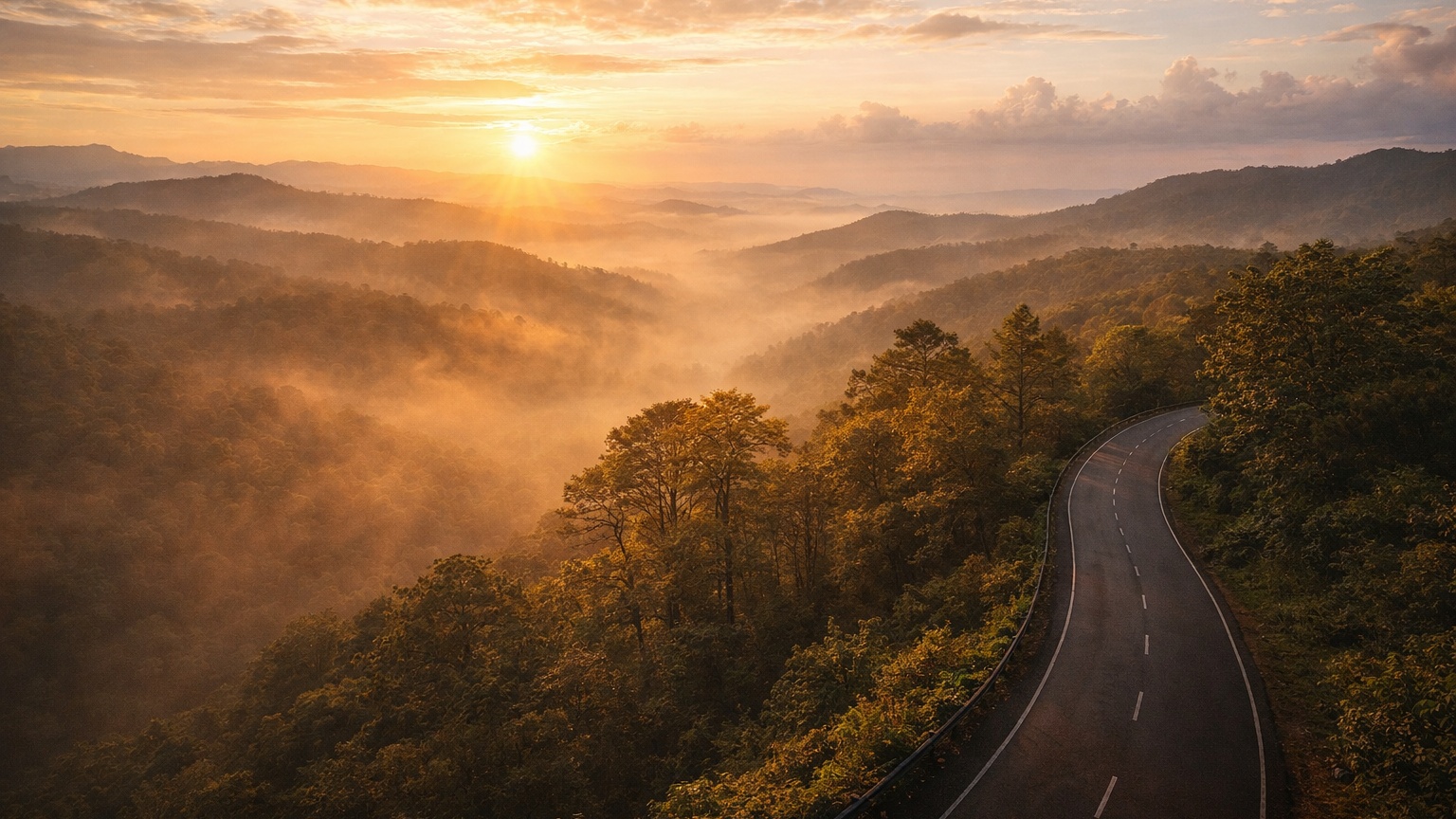
The 25 Best Destinations in 2026
Welcome to Crave2Explore Best in Travel, your guide to the world’s most inspiring journeys for the year ahead. Our team of travel experts have selected 25 must-visit destinations and 25 unforgettable experiences. And this year, you can book trips inspired by the list. Now go!
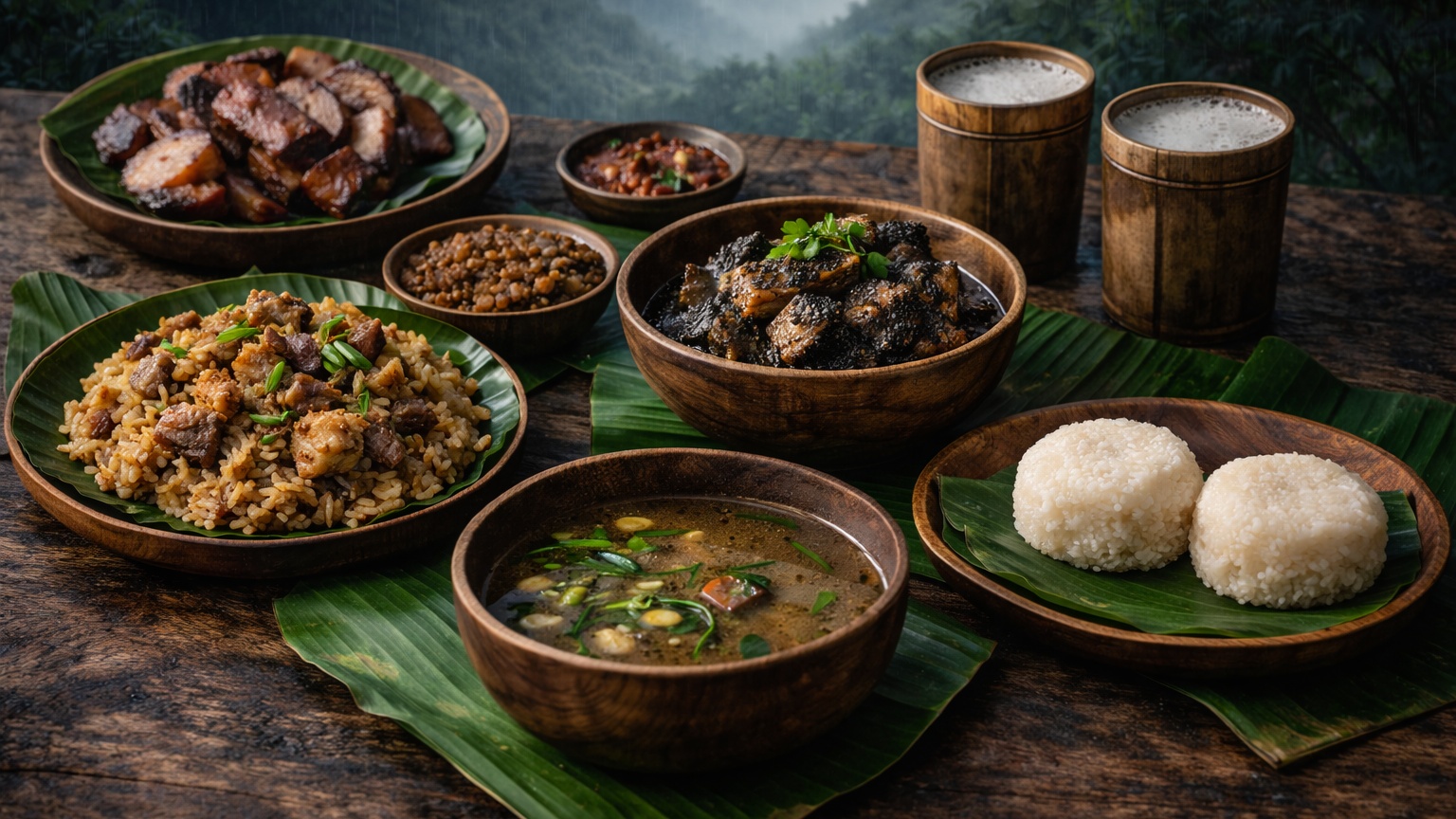
Flavours of Meghalaya: Smoky Meats & Rainy-Hill Comfort Food 🌿🍖
Meghalaya’s cuisine is bold, smoky, and meat-centric—shaped by rain-washed hills, forests, and Khasi, Jaintia, and Garo traditions 🌧️🔥
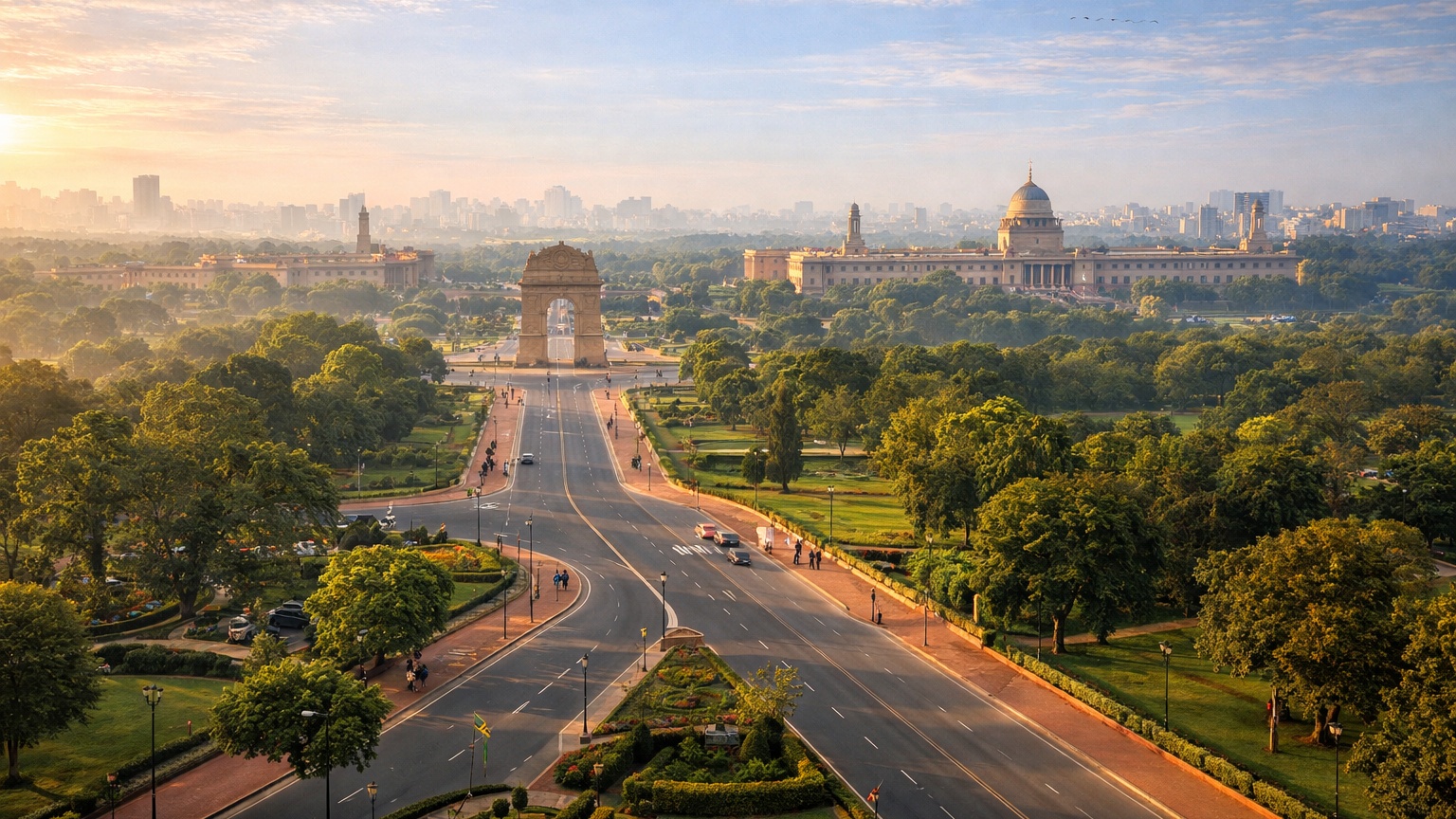
How to Reach New Delhi: Complete Travel Guide to India’s Capital
Reaching New Delhi is one of the easiest and most convenient travel experiences in India. As the national capital and political center of the country, New Delhi is exceptionally well connected by air, rail, and road to all parts of India and the world. Whether you are arriving from another country, a different Indian state, or a nearby city, New Delhi offers multiple smooth entry options.